GastroenterologyGastroenterology

Phone Icon (218) 878-7626

Gastroenterology at CMH

Gastroenterology is a specialty focused on the diagnosis and treatment of conditions affecting the digestive system (gastrointestinal or GI tract), including the esophagus, stomach, intestines, gallbladder, pancreas, liver, and bile ducts.

Conditions we treat

  • BulletIrritable bowel syndrome (IBS)
  • BulletInflammatory bowel disease (Crohn's disease, ulcerative colitis)
  • BulletCeliac disease
  • BulletStomach ulcers
  • BulletDiverticulitis
  • BulletColorectal polyps
  • BulletGastroesophageal reflux disease (GERD)
  • BulletHemorrhoids

Endoscopic procedures

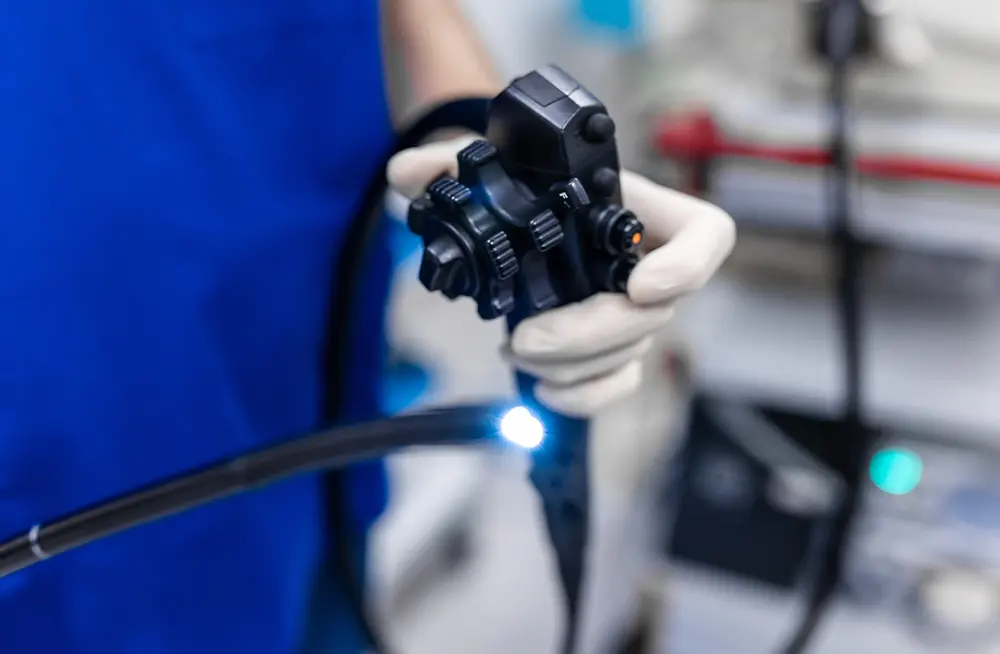
Gastroenterologists are specially trained to perform endoscopic procedures, which provide a detailed view inside your digestive system to see how things are working and what might be causing certain symptoms.
An endoscopy is performed using a long, thin, flexible tube with a tiny video camera on the end. Endoscopic procedures include:

  • Upper endoscopy or EGD: an examination of your upper gastrointestinal system from your esophagus down through your stomach to the upper small intestine. This is commonly performed to evaluate reflux symptoms, abdominal pain, ulcers, and small intestinal diseases such as celiac disease.
  • Capsule endoscopy: a test that uses a pill-sized camera that you swallow to examine the inside of the small intestine. This is commonly performed to evaluate problems including bleeding, inflammatory diseases like Crohn’s disease, and some tumors.
  • Colonoscopy: an examine of your lower gastrointestinal system or large intestine (colon). This is commonly performed to screen for colorectal cancer or inflammatory bowel disease.
Gastroenterology FAQs
What symptoms should I tell my gastroenterologist about?

You should tell your gastroenterologist if you experience any of the following symptoms:

  • Chronic abdominal pain
  • Bloating
  • Indigestion
  • Gas and gas pain
  • Nausea and vomiting
  • Rectal bleeding
  • Diarrhea
  • Constipation or difficulty with bowel movements (not pooping)
  • Unexplained weight loss or weight gain
  • Heartburn
When should I get a colonoscopy?

Routine colonoscopy screening begins at age 45. For individuals with a family history, screening may begin earlier. Talk to your primary care provider or gastroenterologist about your colorectal cancer risk and timeline for screening.

Providers

Locations

CMH Specialty Clinic
Inside Hospital on First Floor
512 Skyline Boulevard
Cloquet, MN 55720

Contact Us

CMH is here to support you with resources and services that make your healthcare easier.
Back to Top